
Herbal Tea for Intimate Wellbeing: A Guide to Traditional Herbs
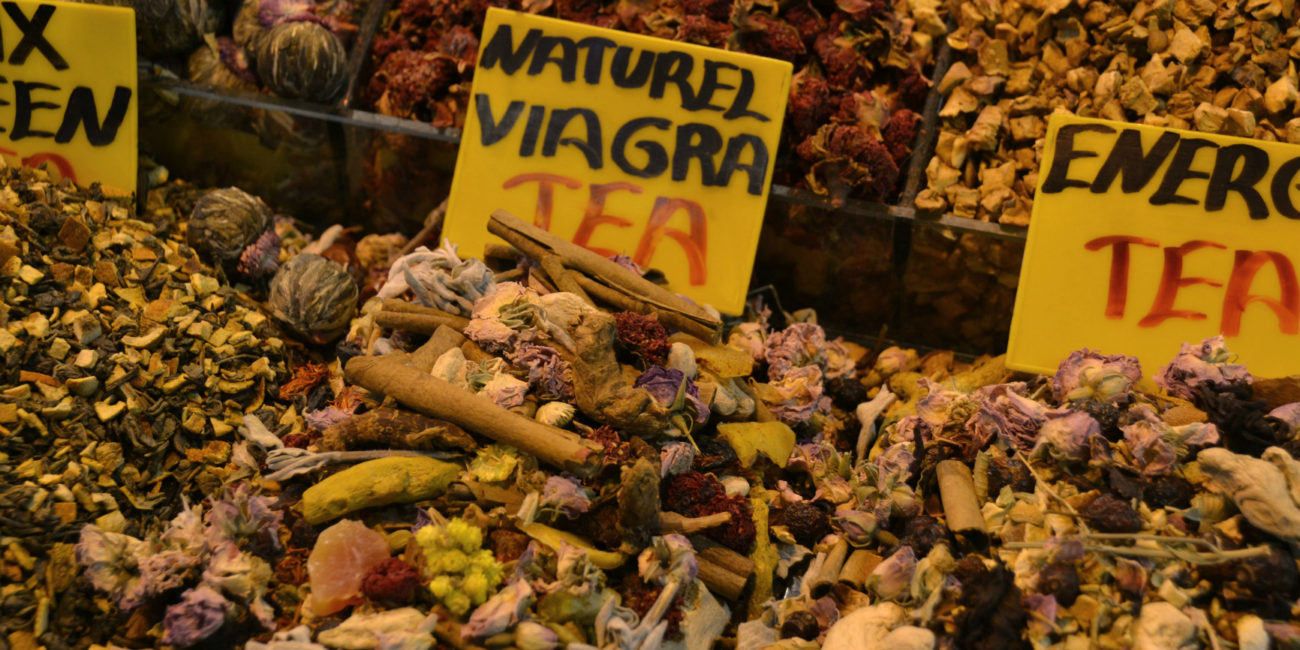
Tea has been part of everyday rituals for thousands of years: a way to slow down, share a moment and look after yourself. Many of the herbs in modern intimate-wellbeing blends come from those same traditions. This guide covers where those herbs come from, what traditional practice says about them, what research has actually looked at, and how to enjoy a herbal tea sensibly. It brings together our older articles on this topic into one up-to-date page.
Why a tea ritual?
Intimate wellbeing is about more than any single ingredient. Sleep, stress, movement, food, connection with your partner and time to unwind all play a part. A warm cup of herbal tea won’t change those things on its own, but a regular evening ritual can be a pleasant cue to switch off, put the phone down and spend time together.
Some people reach for pills and supplements with big promises. We take a different view: be wary of any product that promises fast or guaranteed results, read the ingredient list, and enjoy herbal teas as part of a balanced lifestyle, not as a medicine.
The herbs in our Sex Tea, and how they are traditionally used
Our Sex Tea – Herbal Blend for Intimate Wellbeing Support is built on pu-erh tea with damiana, tribulus, Panax ginseng, maral root, ashwagandha, ginkgo, gotu kola, passionflower, clove, roseroot, licorice and stevia. Here is what each one brings.
Damiana
Damiana leaf has a long traditional use in Central American and Mexican folk practice, where it is associated with desire and intimate wellbeing. A scientific review (Szewczyk 2014) describes this history; the evidence is from laboratory and animal studies only, not people. Try it on its own as Organic Damiana.
Tribulus
Tribulus seed is traditionally used in Ayurvedic and Chinese herbal practice as a vitality tonic. Human research on tribulus is uncertain and mixed (Martimbianco 2020). Also available as single-herb Tribulus.
Panax ginseng
Ginseng has a recorded history in China going back almost two thousand years and is traditionally used as a tonic for energy and stamina. Research on ginseng for everyday tiredness is promising, but the studies were weak (Arring 2018). Ginseng also features in our Organic Ginseng Blend.
Maral root
Maral root is traditionally used in Siberian herbal practice as a vitality tonic.
Ashwagandha
Ashwagandha root is a well-known Ayurvedic herb. Research on ashwagandha root extract suggests it may help with feelings of everyday stress (Akhgarjand 2022, low-certainty evidence). Feeling less stressed is often the first step to feeling more relaxed together.
Ginkgo
Ginkgo leaf is traditionally used in Chinese herbal practice to support circulation. See also Ginkgo Biloba.
Gotu kola
Gotu kola is traditionally used in Ayurvedic and Southeast Asian practice for mental clarity and calm; research on alertness is limited (Puttarak 2017). Single-herb Gotu Kola is also available.
Passionflower
Passionflower is a traditional calming herb. In a small study, passionflower tea improved self-rated sleep quality in healthy adults (Ngan 2011). Try Passionflower on its own as a wind-down tea.
Roseroot
Roseroot (Rhodiola rosea) is traditionally used in European and Scandinavian herbal medicine to support energy, stamina and resilience to everyday stress. Studies on fatigue have mixed results (Ishaque 2012; Olsson 2009). See Roseroot.
Clove, licorice and stevia
Clove and licorice root are traditional warming spices that round out the flavour, and stevia leaf sweetens naturally without added sugar.
Pu-erh tea
Pu-erh is an aged tea from Yunnan, China, and the base of the blend. It contains natural caffeine, which together with tea’s L-theanine has been studied for alertness (Owen 2008; Giesbrecht 2010). Enjoy it on its own as Organic Pu’erh.
Other traditional “romantic” kitchen herbs
Many cultures have their own warming tea traditions for a cosy evening: ginger, cardamom, cinnamon, mint and vanilla are all popular for their aroma and flavour. They are lovely additions to a shared tea ritual. Add a little honey if you like it sweeter.
Choosing a good herbal tea
- Read the label. Check every ingredient, especially if you take medicine or have a health condition. Some herbs don’t suit everyone.
- Look for quality sourcing. Choose organic, clearly labelled ingredients from a supplier who explains where they come from and how they are blended.
- Be sceptical of big promises. No tea is a substitute for medical care, and no herbal product is completely risk-free.
- Loose leaf is worth it. Whole leaves and roots keep more of their flavour and aroma than fine dust in tea bags.
How to enjoy it
Brew one serve in freshly boiled water for 5–7 minutes, or steep longer for a stronger cup. Enjoy one or two cups a day. Because the blend contains caffeine from pu-erh, many people prefer it earlier in the evening rather than right before bed. Herbal teas with licorice are best enjoyed with regular breaks rather than every day for long periods. It also makes a refreshing iced tea: brew, cool and keep in the fridge.
Safety note
- Not for use in pregnancy or breastfeeding (licorice, ashwagandha, tribulus, ginseng, roseroot). Not for under-18s.
- Contains caffeine from pu-erh tea. Avoid late in the day if you’re sensitive to caffeine.
- Contains licorice root. Regular licorice can raise blood pressure and lower potassium (Penninkilampi 2017). Avoid if you have high blood pressure, heart or kidney disease, or take blood-pressure, diuretic or heart medicine.
- Medications: ginkgo may interact with blood-thinning medicine (check before surgery too); ginseng may interact with diabetes and blood-pressure medicine; ashwagandha has rare reports of liver injury (Björnsson 2020), so avoid it with liver conditions or thyroid medicine.
- Stop drinking it and see a doctor if you feel unwell. Talk to your doctor or another health professional before use if you take medicine or have a health condition, and see them about any sexual health concern.
Explore the range
Start with Sex Tea – Herbal Blend for Intimate Wellbeing Support, or build your own ritual with single herbs like Damiana, Passionflower and Roseroot. For everyday teas, the Daily Ritual Trio bundles our Energy Blend, Liver Detox Blend and Green Tea.
The research mentioned on this page was done on individual herbs, mostly as concentrated extracts. It was not done on our teas. Traditional-use statements are based on historical herbal practice, not scientific evidence. Herbal teas are foods, not medicines, and aren’t intended to diagnose, treat, cure or prevent any disease. If you are pregnant, breastfeeding, taking medication or have a health condition, talk to your doctor before use.

